
Dolche & Gabbana

From the Heart to the Hands
The Dolce & Gabbana: From the Heart to the Hands exhibit made its American debut in Miami in 2026, and we were so excited to attend. We were absolutely overwhelmed not only by the breathtaking fashion, but by the extraordinary way it was displayed — from the architecture and wall art to the chandeliers and every beautiful detail — making the challenge not just photographing the clothing, but capturing the entire experience in a way that reflected how beautifully the fashion itself had been elevated.

Note that the panoramic images on this page may be more easily enjoyed on a larger device. Our Camera Control dropdown menu offers more details on many of the techniques listed here as well.
🎬 Enjoy the Show!
The short two-minute video below is a collection of some of our favorite images. Please enjoy the show, then be sure to scroll down. Learn how we planned and created the images, along with tips and ideas you can try with your own smartphone.
The Dolce & Gabbana Miami Exhibit…through our eyes!
Museums and Exhibits are full of beauty — but they can also be full of photography challenges! Between glass, glare, reflections, giant displays, tiny details, and stunning architecture, there’s a lot to think about. Follow along on this page for fun, easy tips to help you photograph art, artifacts, and museum spaces in a way that feels more creative, polished, and unforgettable.
Our Strategy

Whenever we attend an event or exhibit, we want to look back at our images and remember the entire experience. But we also want to push the boundaries and find creative ways to capture the scene.

Using mirrors and reflections in an exhibit space can create a more layered and visually dynamic image. Instead of capturing only the object, you may also be able to include surrounding details, architecture, or repeated shapes that add to the overall story.
Exploring Modes & Options
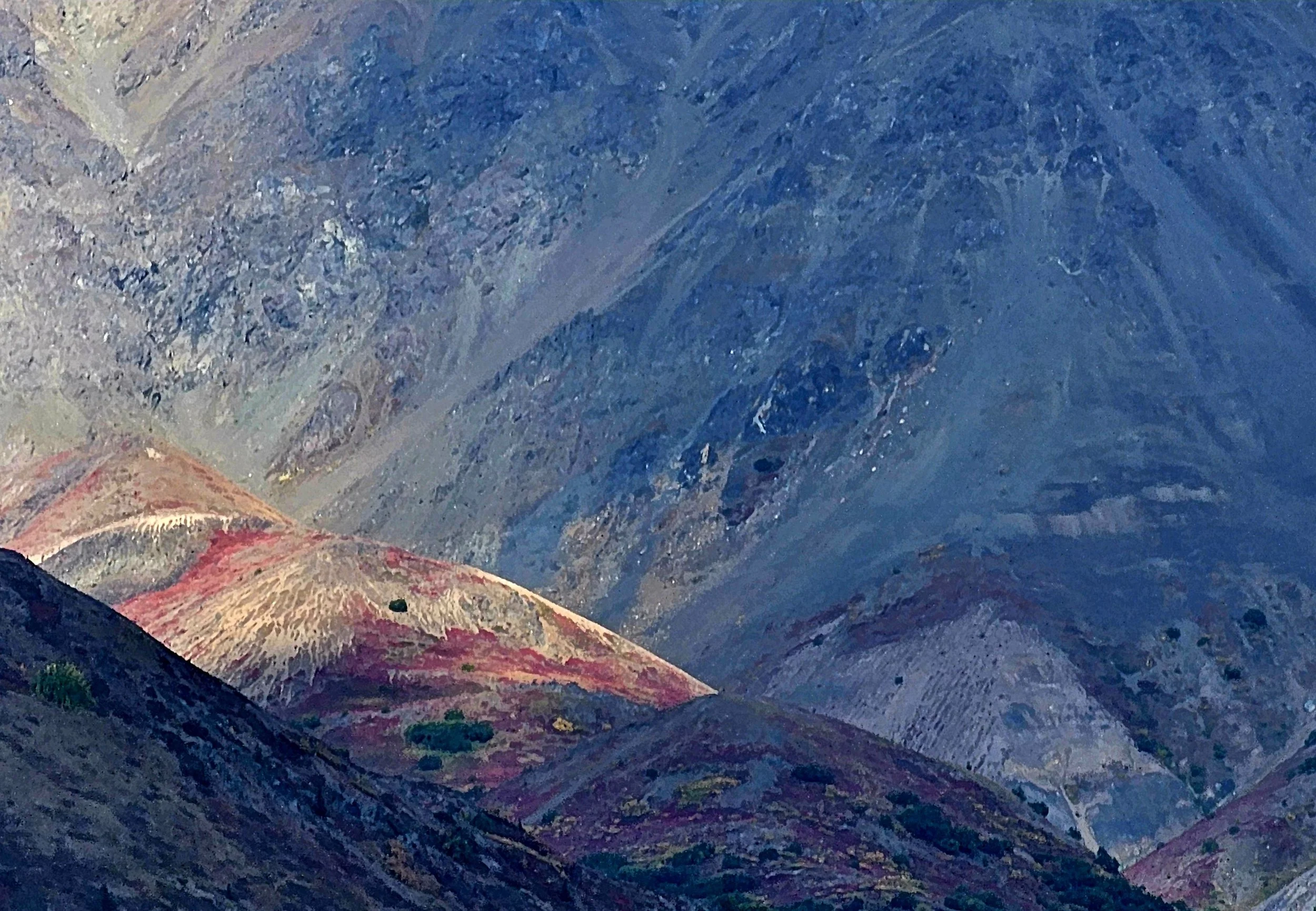
When you look back at your photographs, these wider views help bring your memories of the entire experience together, allowing you to remember not only what you saw, but how it felt to be there.

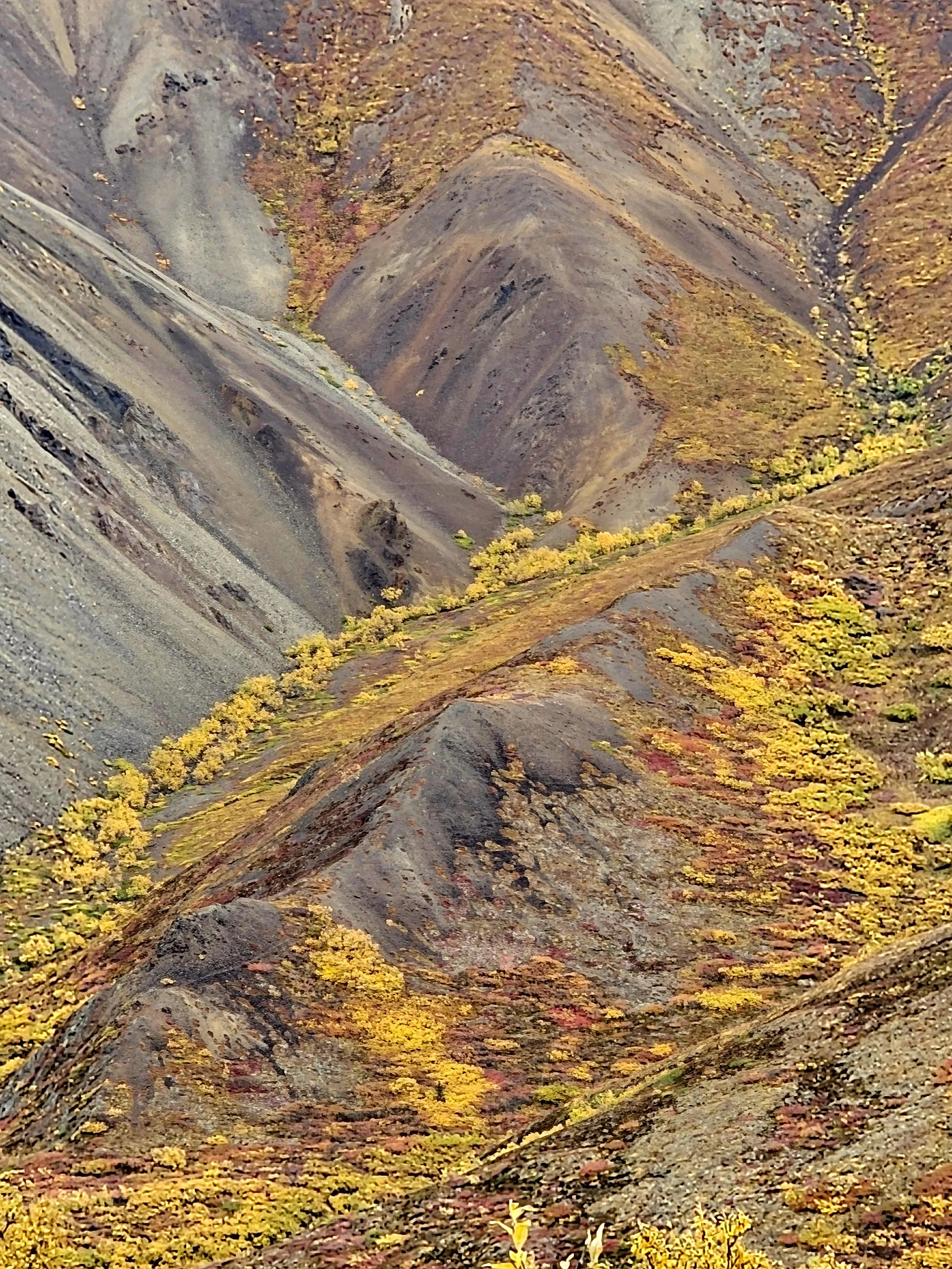






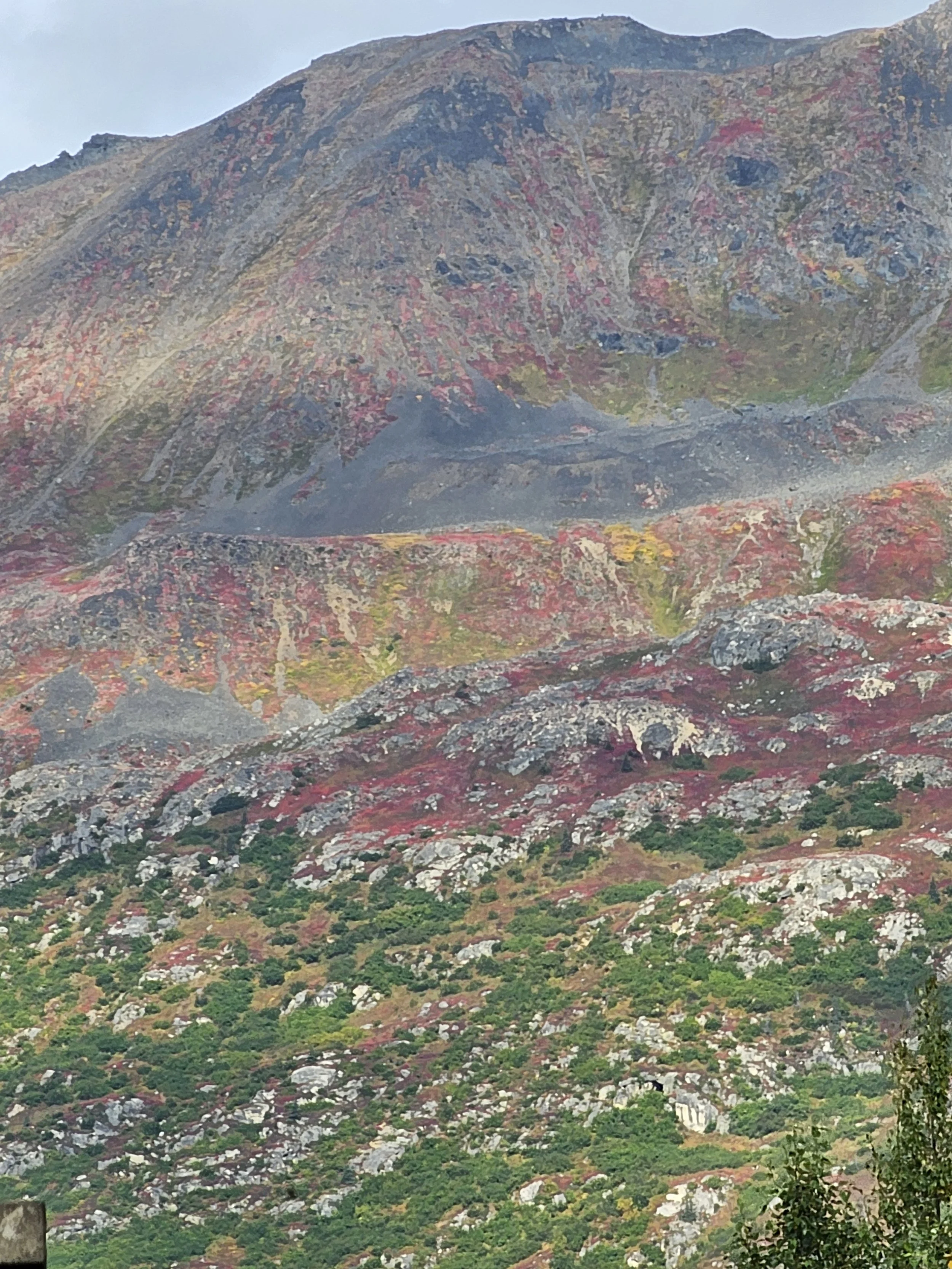
Use unique modes and settings, like panoramic for wide shots or macro mode for extreme close-ups, to transform everyday textures into stunning visual patterns. Panoramic mode on your phone’s camera is a fun and easy way to discover your own creativity! It lets you capture wide, sweeping scenes in a way that transforms ordinary photos into exciting works of art.
Appreciate the Craftsmanship


The artistry isn’t just in the overall design—it’s also in the colors, fabrics, textures, and tiny details. Get in close with your smartphone and capture the craftsmanship you might otherwise miss.
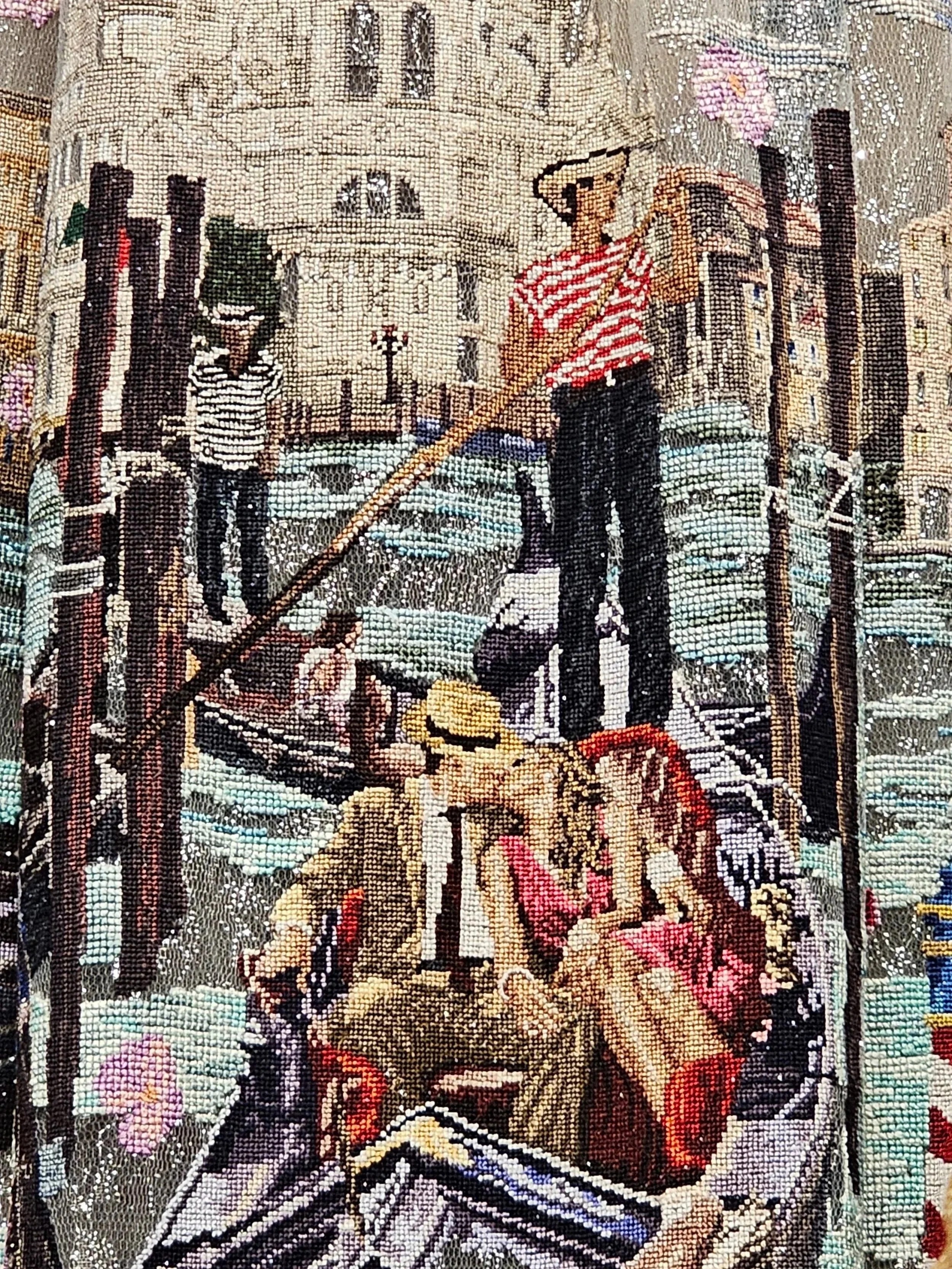
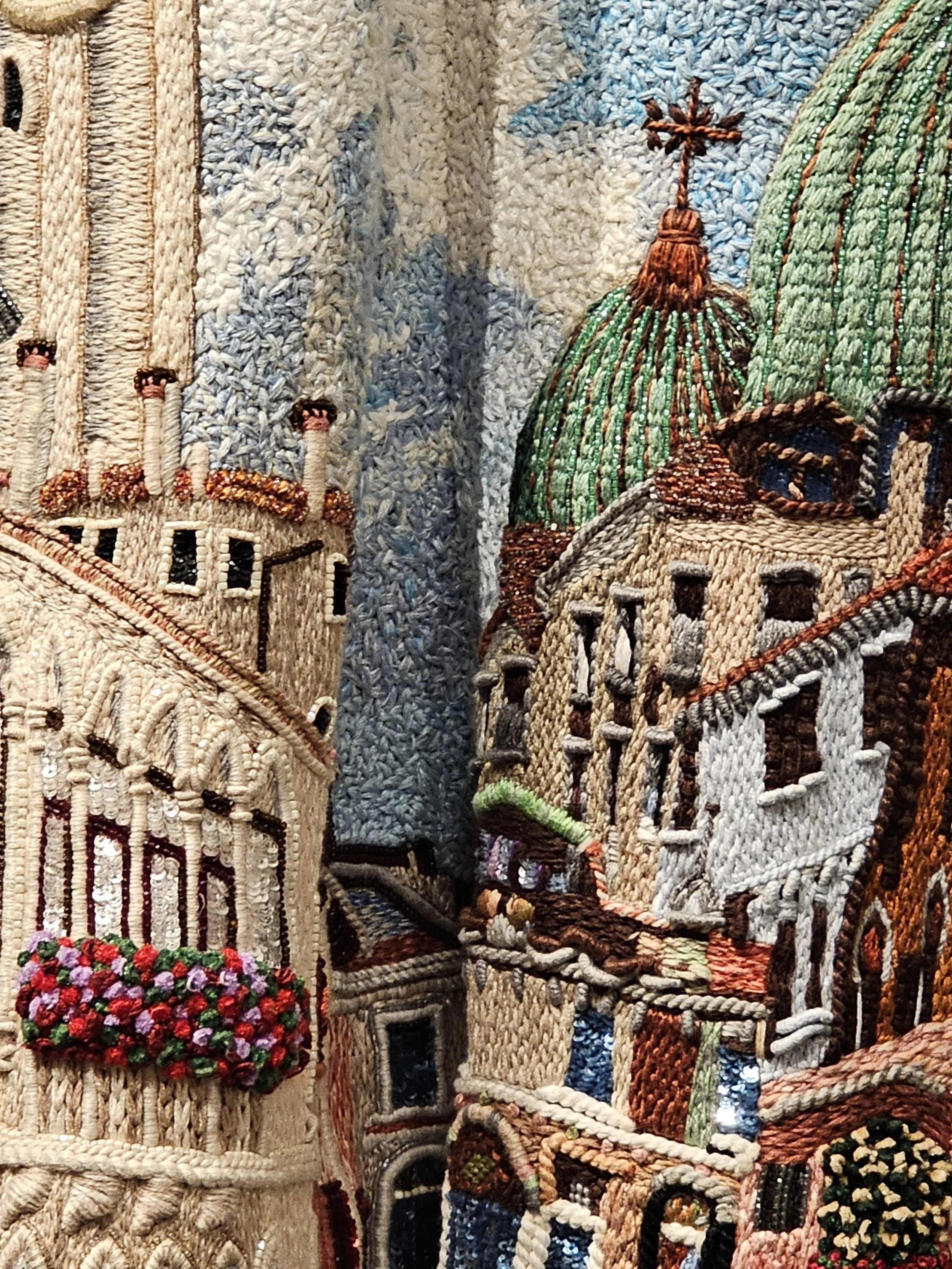
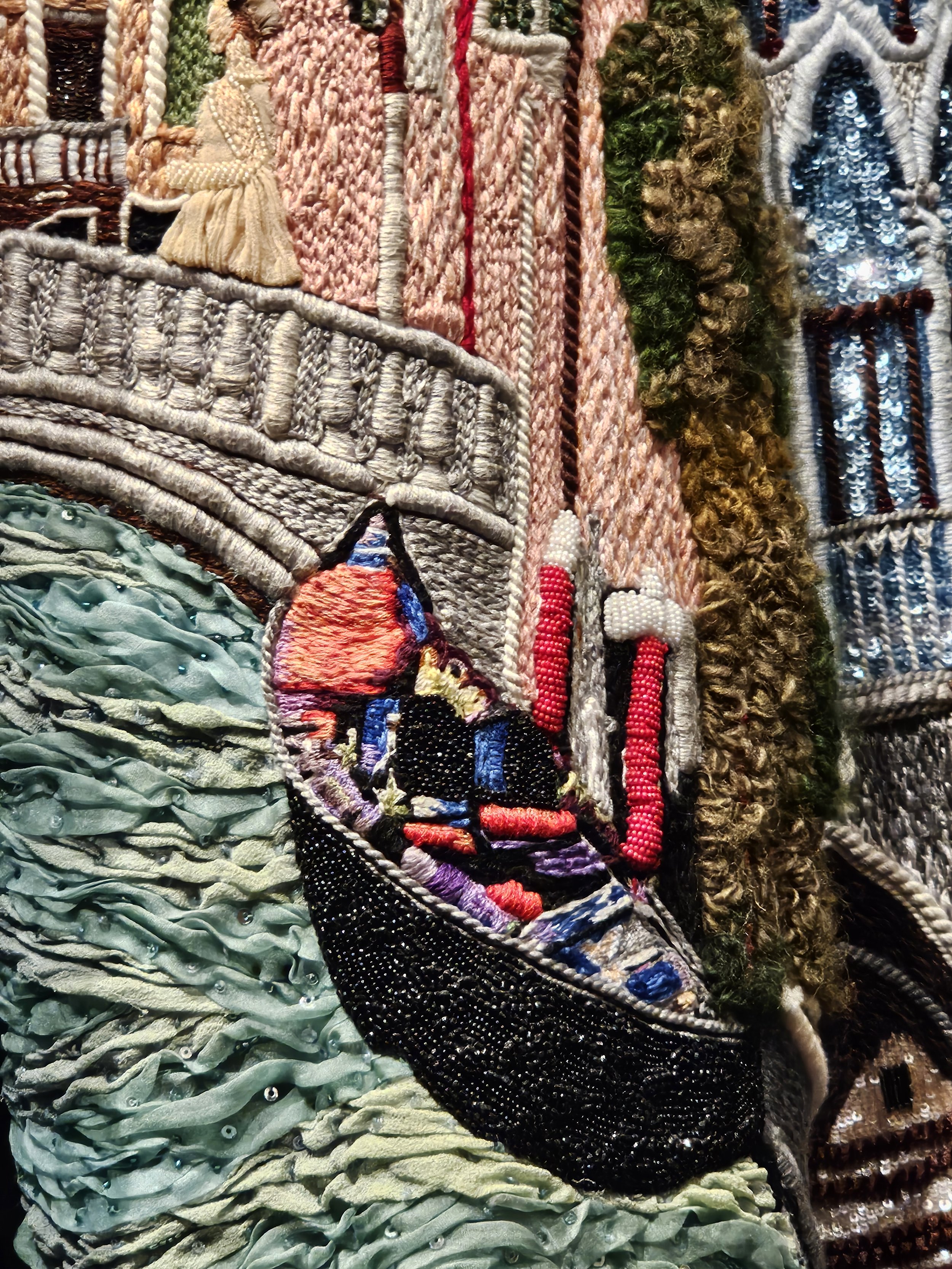
Looking at these details through your lens gives you a whole new appreciation for the skill and creativity of every artisan who helped bring the piece to life.
Immerse Yourself in the Exhibit





By capturing more of the entire scene, your images can make you feel immersed in the space all over again. Experiment with both directions—you may be amazed by what your smartphone can create!
A vertical panoramic is a great way to capture both the display and the ceiling or architecture above it in one image. This often creates a more interesting and unexpected composition than a standard straight-on photo. Because the phone moves during capture, it is helpful to take several versions and move slowly and steadily to help reduce blur and improve the final result.
A low angle from the center of the pathway created a completely different perspective of this exhibit. From there, we used a horizontal panoramic, moving from right to left to capture the entire room in one sweeping image.
The result makes you feel as though you are walking right through the exhibit, taking in the displays, walls, colors, and atmosphere of the entire space. It’s a wonderful way to create a more immersive memory than a traditional photograph.
Break the Rules
In this image, we took a completely different approach to perspective. We photographed the scene from underneath the armrest of a decorative chair, allowing the shape of the armrest to naturally frame the image.
It’s an unusual viewpoint that turns part of the exhibit itself into a creative framing tool—and creates an image most visitors would never think to capture.
Vertical Vs. Horizontal Panoramas

↕️ Don’t forget that panoramics can go up and down too! A vertical panoramic is a wonderful way to capture a display along with dramatic ceilings, lighting, architecture, or artwork above it.
Don’t automatically reach for the standard Photo Mode. Museums are the perfect place to experiment with the different modes on your smartphone. Panoramic Mode is one of our favorites and can create some of the most unexpected and artistic images of an exhibit.

↔️ Try a Horizontal Panoramic: A horizontal panoramic can capture an entire room, wall, or large display in one sweeping image. Stand in a central location and move your smartphone slowly from one side to the other to create an image that makes you feel immersed in the exhibit.
Full View vs. Details
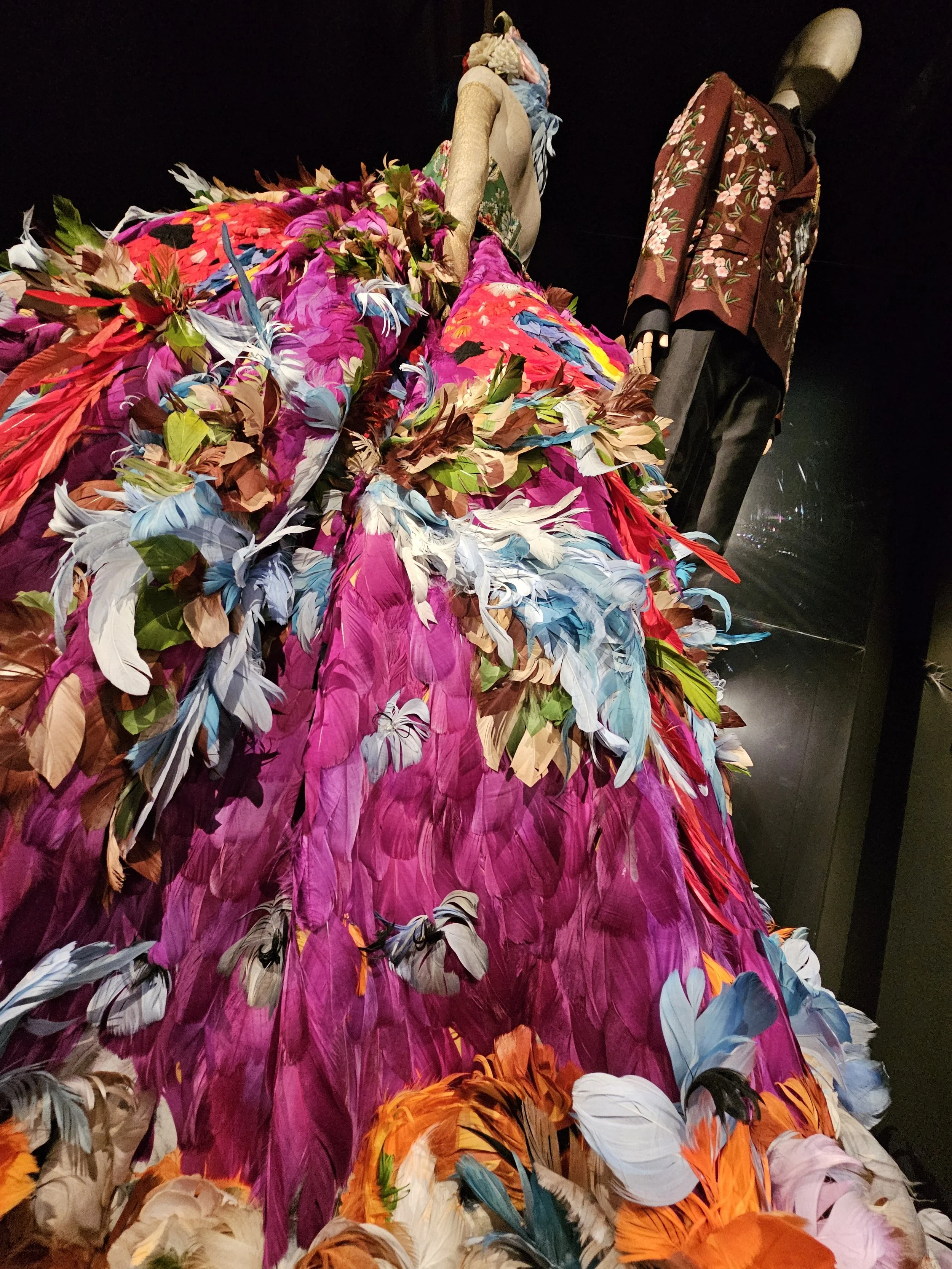
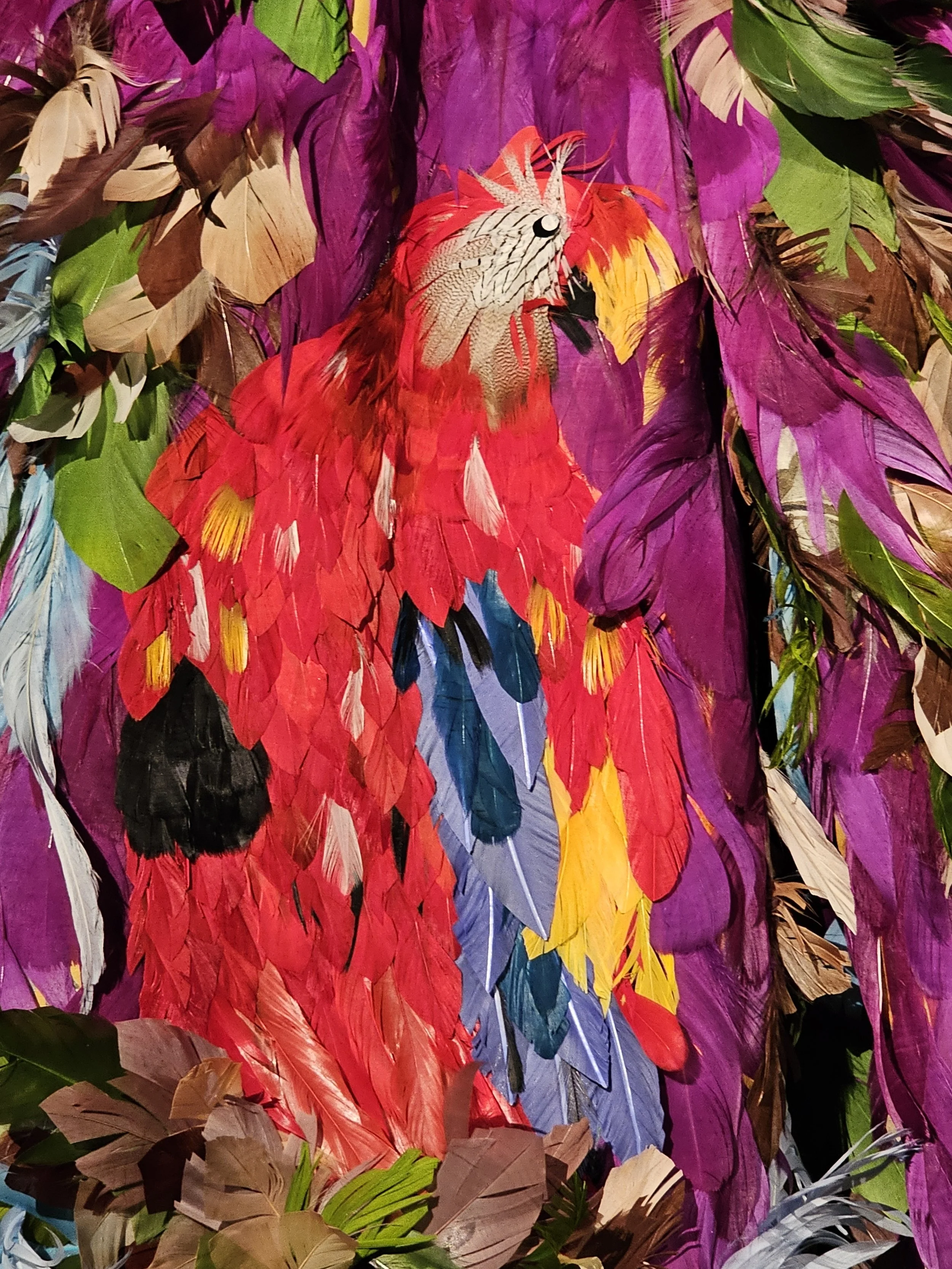
For many of the displays, we photographed both the full view and close-up details. The feathers in the image above are a perfect example—we may never have noticed the beautiful parrot design hidden within the pattern if we hadn’t moved in close and focused on the details.
Sometimes the smallest part of a display can become one of your favorite photographs!
Capture the Entire Experience




Museums and exhibits often feature themed rooms and uniquely designed spaces, and each one is part of the story. Don’t just photograph the individual displays—capture the style of the room, the colors, the lighting, and the little details that make each area special.
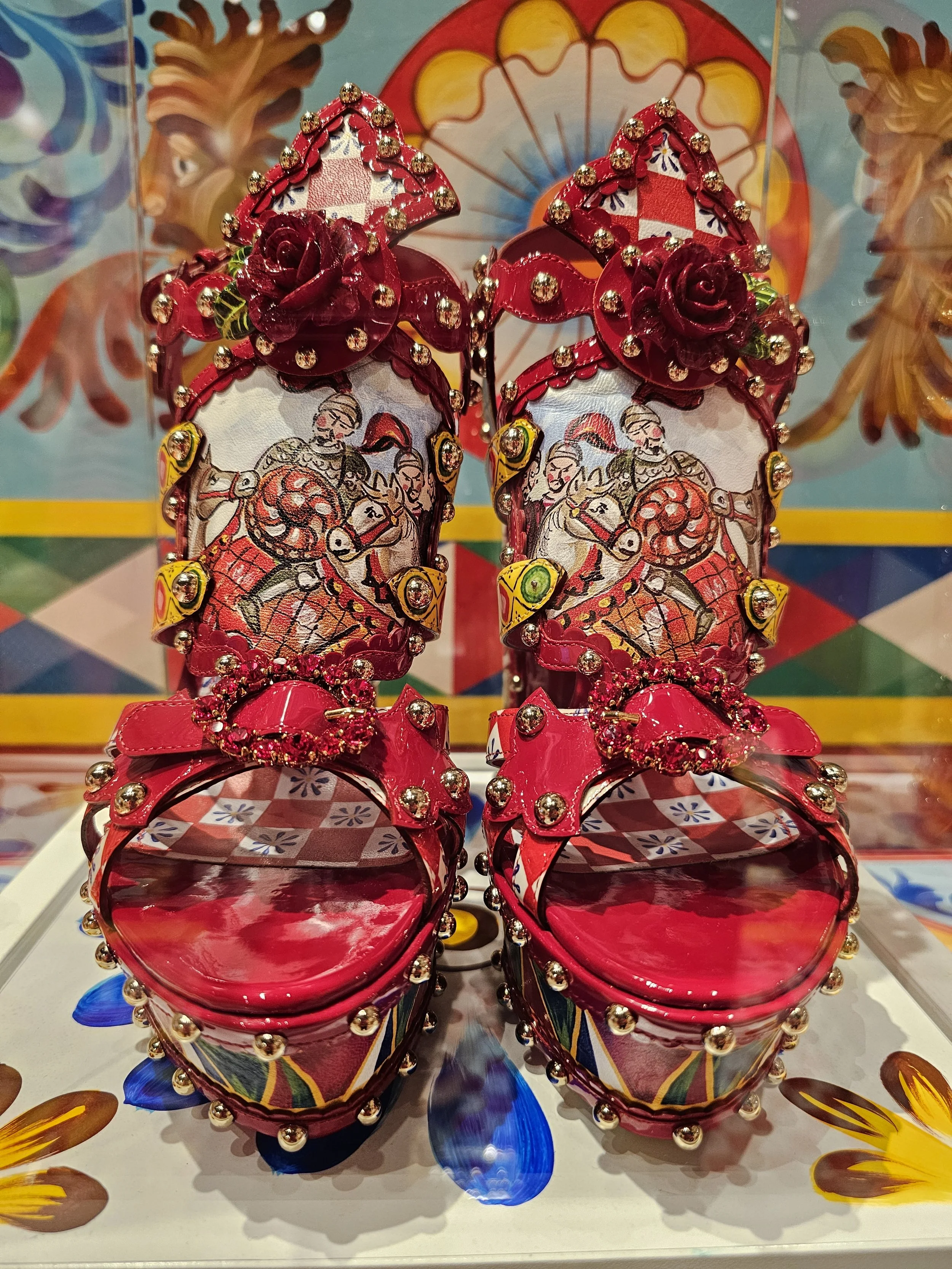
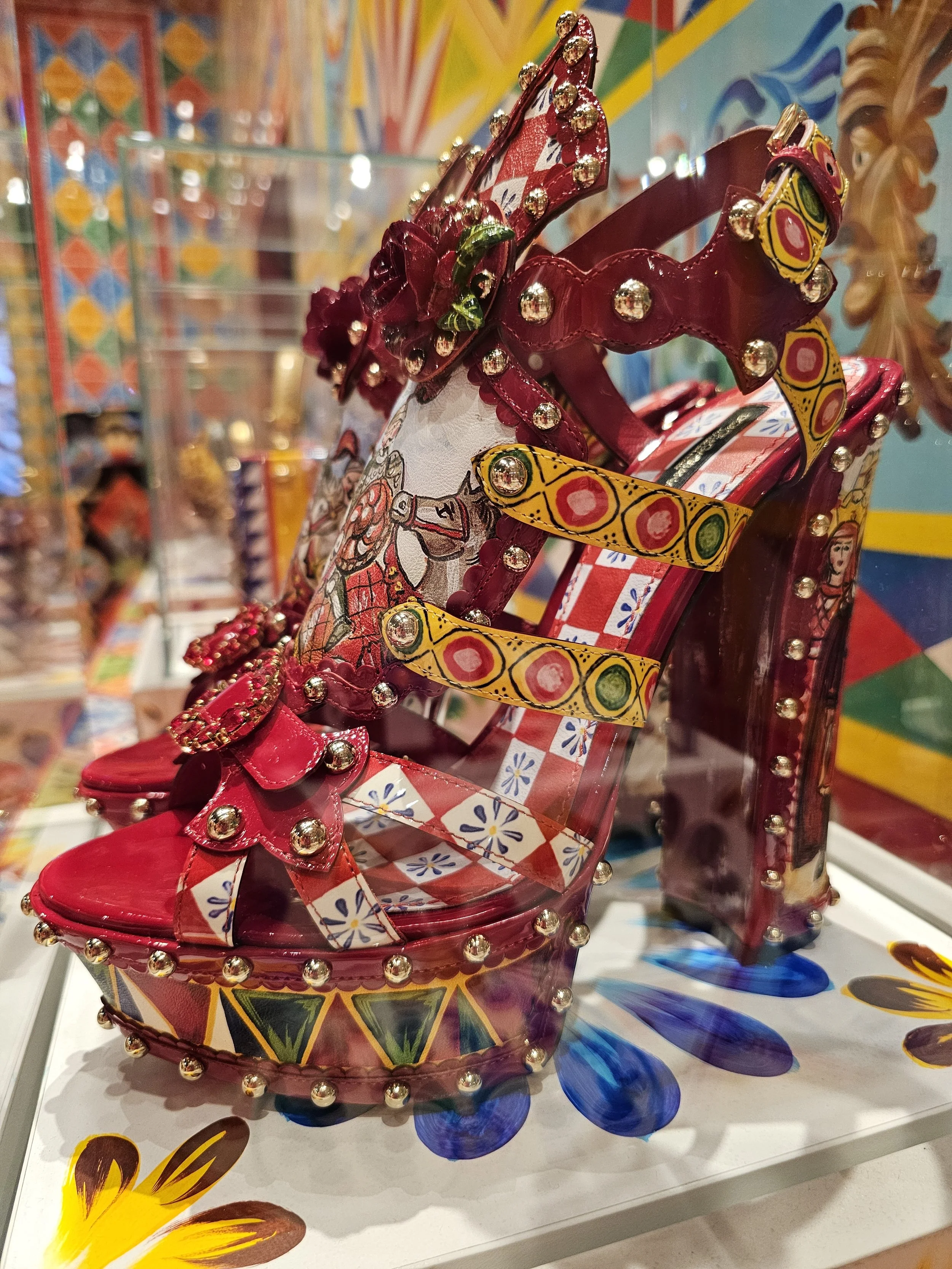
👠 “The right shoes can change your whole life” is a quote often associated with Cinderella. We can’t help but think she may have been talking about these shoes when she said it!

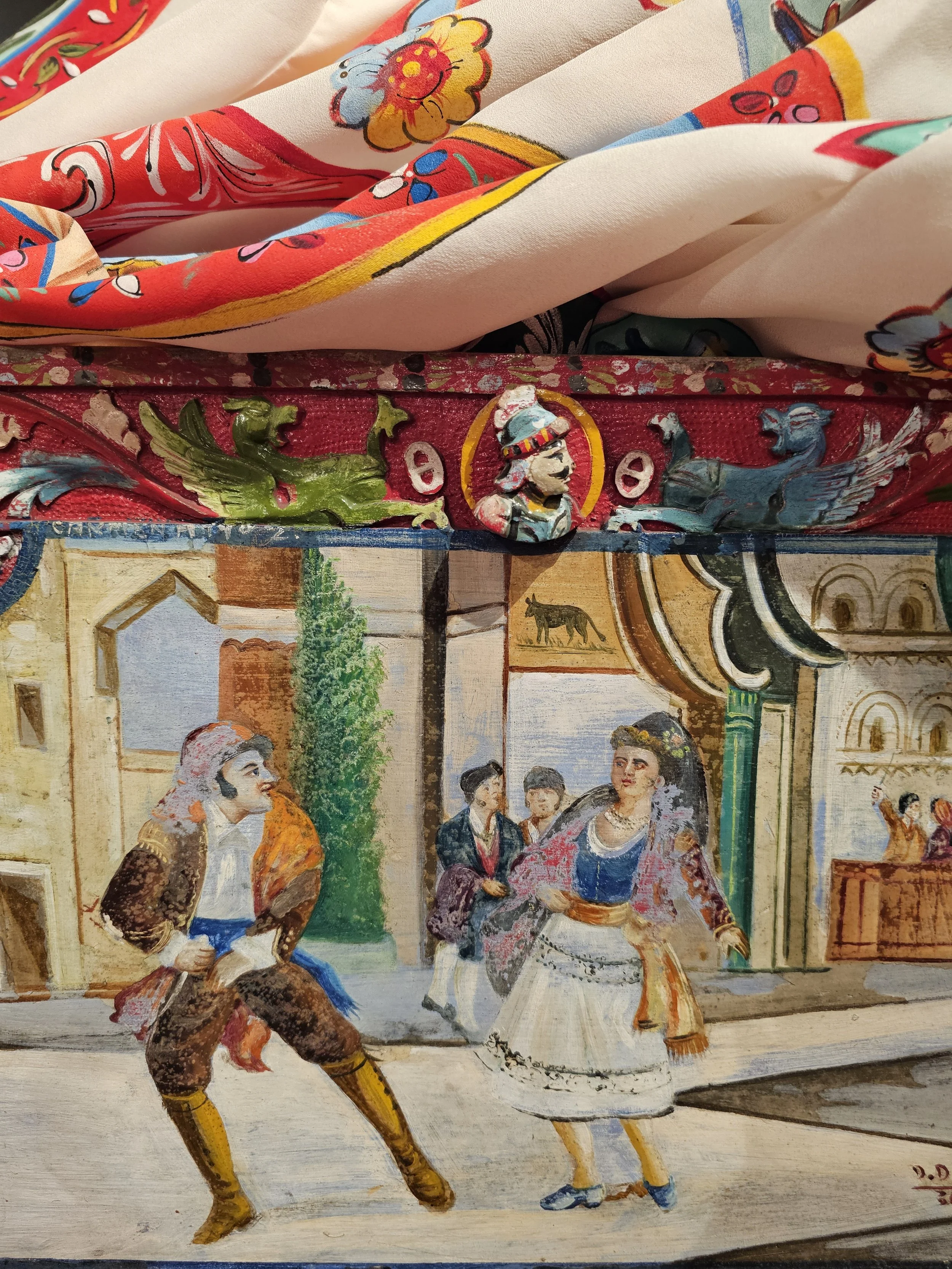
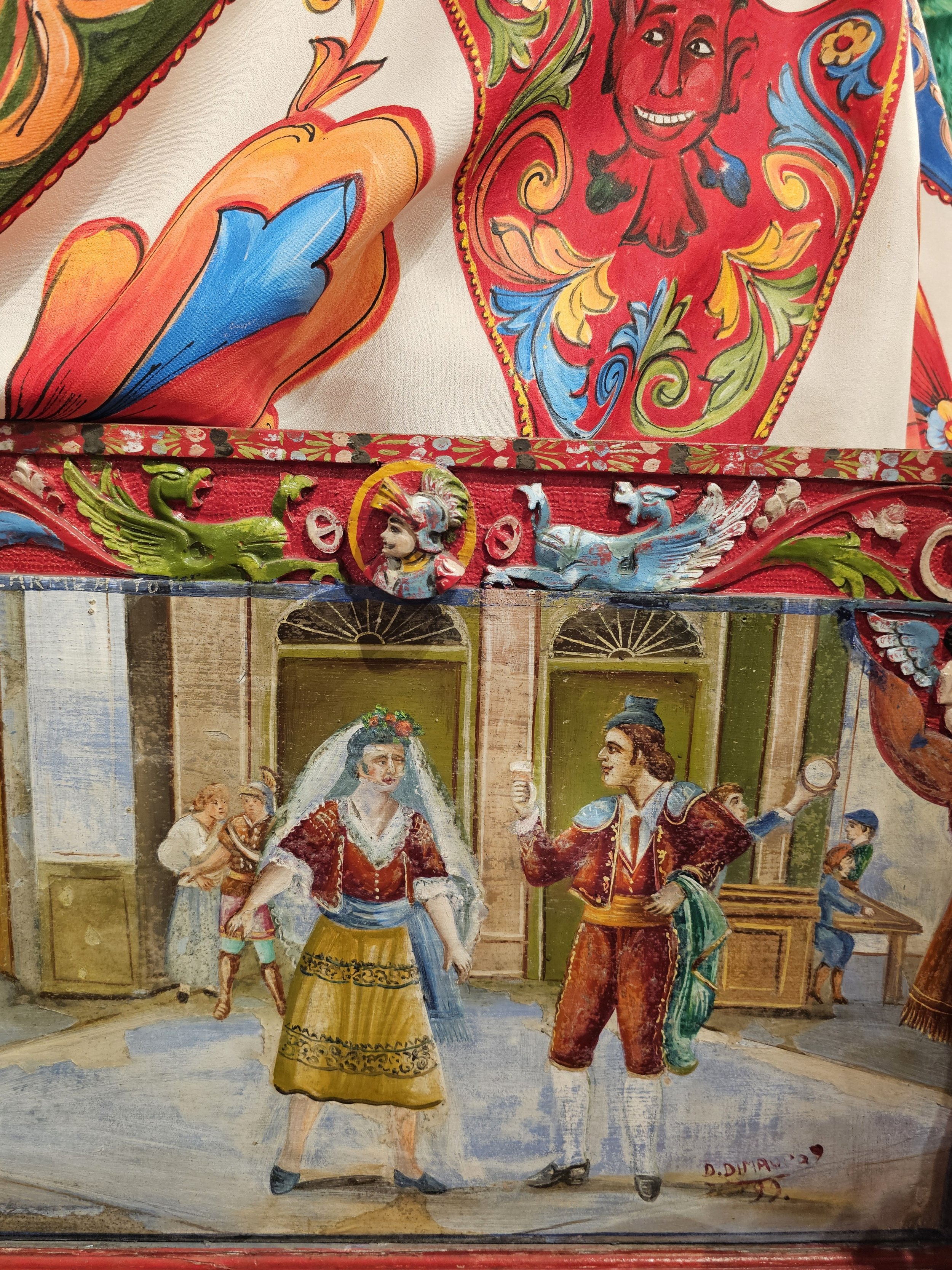
The photos above were taken in close up or food mode to accentuate the detailed artwork that cannot truly be appreciated in the wider view.
Avoid the Glare
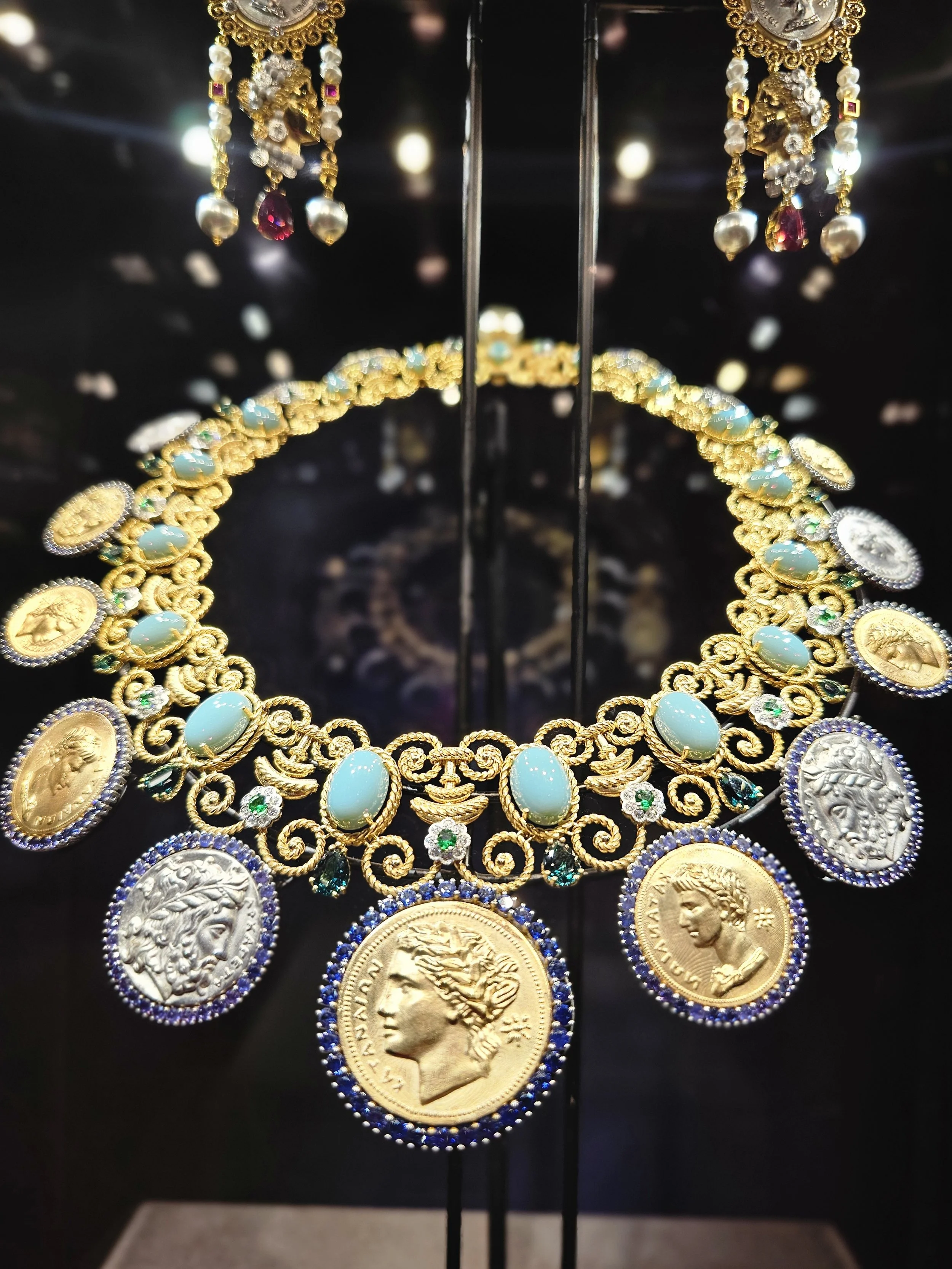
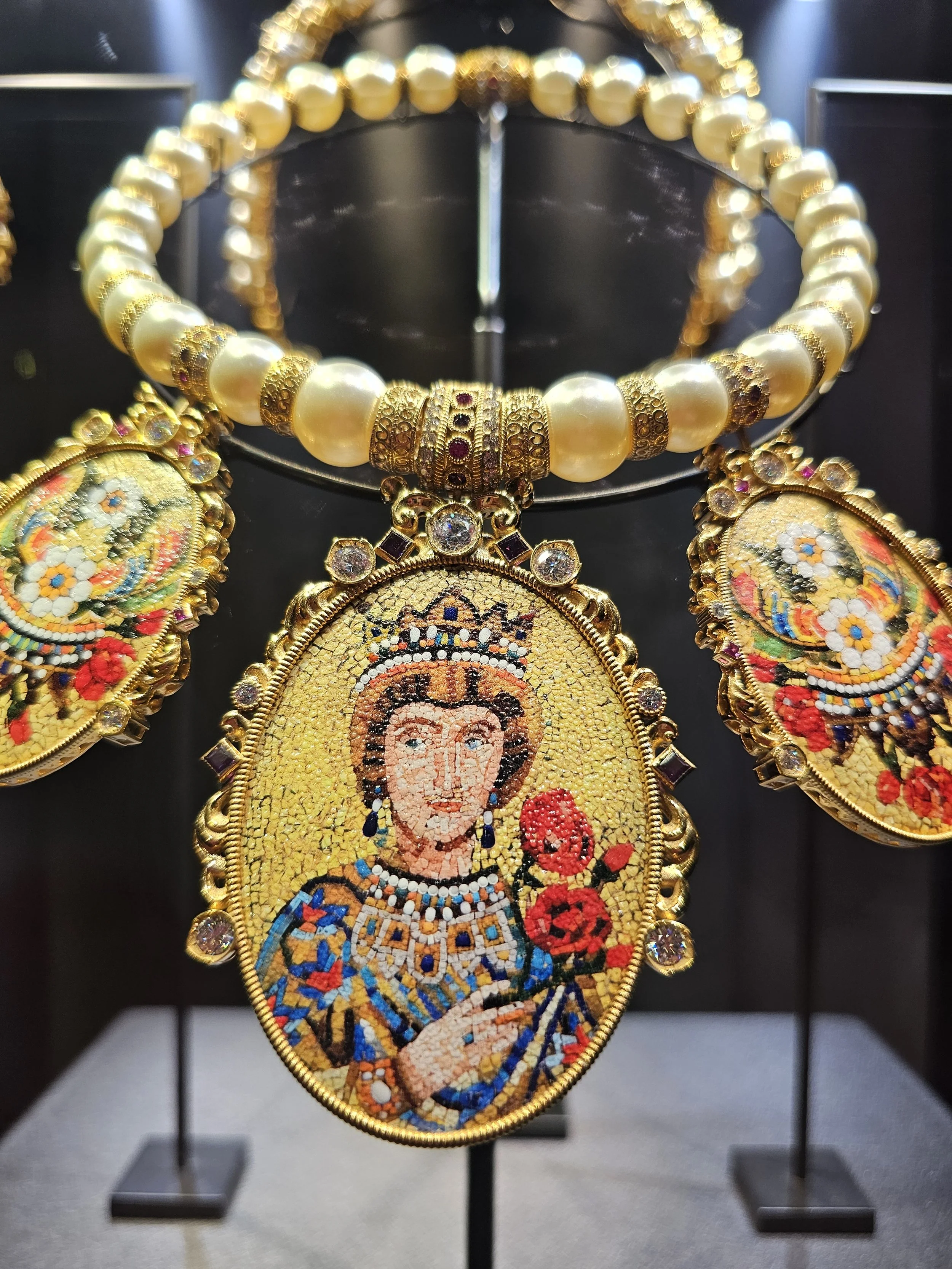
Glare is one of the biggest challenges when photographing displays in museums. Whenever possible, press your smartphone right up against the glass to help eliminate reflections and capture a clearer image.

For smaller, detailed objects, try using Close-Up Mode or Food Mode to enhance the colors, textures, and intricate details. We used both techniques to capture the beautiful jewelry in the images above—and the results speak for themselves!

In the end, we want our photographs to celebrate the artists, artifacts, craftsmanship, and history behind what we’re seeing. Our goal is to do justice to the displays while creating images that are uniquely our own.
A List of Tips & Tricks
Ready to try it yourself? Scroll down for a list of our favorite tips and tricks to enhance your museum and exhibit photography and discover new ways to create memorable images with your smartphone!
Dolce & Gabbana
Dolce & Gabbana began in Milan in the 1980s when Domenico Dolce and Stefano Gabbana joined forces. Their designs quickly became known for bold colors, incredible details, beautiful fabrics, and a style deeply inspired by Italian culture and craftsmanship.
Sicily has been a particularly important inspiration, and you can see its influence in the patterns, colors, embellishments, and dramatic designs throughout their work.
Knowing a little about the history behind Dolce & Gabbana makes exploring the exhibit even more fun. Take the time to look closely—there is artistry everywhere. We think they are kind of ridiculously fabulous and loved seeing there art come to life in person.
👗 Learn more or do a little shopping at: www.dolcegabbana.com
Tips for Taking Great Museum or Exhibit Photos with Your Smartphone
🪞 Watch for glare and reflections. If you’re photographing through glass, try pressing your phone gently right up against the glass when possible to help reduce reflections and flare.
🧼 Clean your lens before you go and throughout the day. Museum spotlights and display lighting can really exaggerate smudges, haze, and glare, so a quick lens wipe can make a huge difference.
⏰ Go early or stay late. Arriving when the museum first opens — or visiting just before closing — can help you avoid crowds and make it much easier to capture cleaner, more beautiful images.
📱 Think beyond the straight-on shot. Standard images can be beautiful, but don’t be afraid to try a vertical or horizontal panoramic to capture not just the display, but also the ceiling, architecture, or surrounding mood of the space.
🎨 Take close-ups too. A detail shot can often reveal the craftsmanship, texture, and artistry in a way a wider image simply cannot — especially with fashion, jewelry, decorative arts, or historic artifacts.
💡 Be patient and look for the moment. Sometimes waiting just a few seconds for people to move, a projection to change color, or the background to simplify can make the image much stronger.
📐 Change Your Perspective. Try photographing from high, low, close, far away, and from the side. A simple change in perspective can transform a straightforward museum photograph into something much more creative and eye-catching.
👥 Remove Unwanted Guests. Busy museums and exhibits can make it difficult to capture a clean image without other visitors in the background. Object Eraser and AI editing tools can make it surprisingly easy to remove distracting people or objects after you take the photo. We have an entire page dedicated to this technique—learn more here: www.smarterphotographs.com/corrections.
⭐ Take More Than One. Digital photographs are free, so experiment! Take several versions of the same subject using different angles, distances, orientations, and modes. You can decide which one you love when you look through them later.
🏛️ Capture the experience, not just the object. In museums and exhibitions, the display itself is often part of the art — so notice the architecture, lighting, reflections, and design details that help tell the full story.
Return to Subject Categories
“L’amore è bellezza. (Love is Beauty.)”